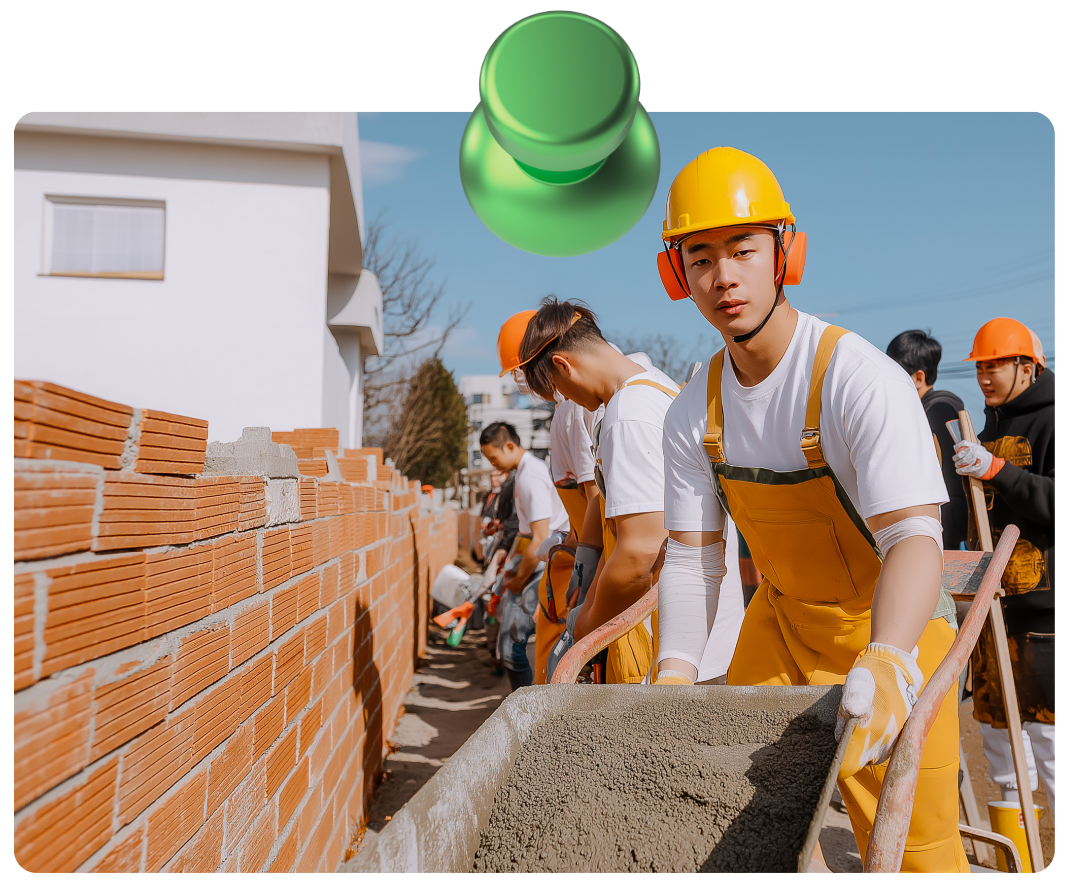
Retaining Wall Installation in Islip, NY
Retaining wall installation services in Islip, NY provide structural landscape solutions designed to stabilize sloped terrain, manage soil movement, and improve usable outdoor space using engineered wall block systems. These systems help reduce erosion risks while improving long-term yard usability across residential properties in Islip. Local service professionals assess soil conditions, drainage flow, and grading requirements before construction begins, including trench excavation and base preparation to ensure a stable foundation. The goal is to deliver a durable retaining wall system that supports safety, functionality, and a natural outdoor appearance.
Request A Service
When improving residential landscapes, structural wall systems are often used to manage soil erosion and create usable outdoor spaces, frequently incorporating engineered wall units designed for long-term stability. Landscape retaining structures are essential for soil stabilization in Islip projects, allowing us to transform sloped yards into functional areas for gardening or recreation, including terraced layouts that support gradual elevation changes. By using quality materials like concrete blocks or natural stone and ensuring each joint between blocks is properly aligned and secured, we support the longevity and stability of these systems.
Proper drainage behind walls is essential to prevent water buildup, often using filter fabric or landscape fabric to separate soil and improve drainage performance, which can compromise their integrity. With thoughtful planning, we can greatly improve the value and usability of properties through residential outdoor improvements in Islip, including applications that complement nearby paver surfaces and hardscape transitions. Professional contractors often provide free estimates, making it easier to make informed decisions.
More Solutions
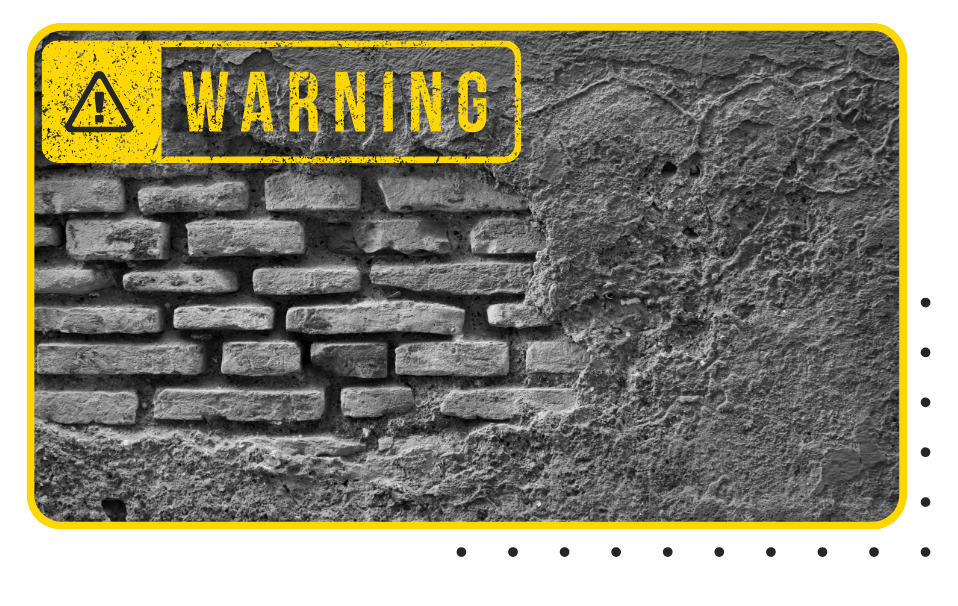
Dangerous Damage Risks
Common Drainage and Soil Erosion Problems
As we tackle landscaping projects in Islip, we must be aware of common drainage and soil erosion problems that can affect retaining systems, especially when soil is not properly compacted or when a tamper is not used to compact the base material correctly. Poor drainage often leads to water pooling, which increases soil erosion and threatens wall stability, particularly when water pressure builds behind the structure. Heavy rainfall can exacerbate these issues, resulting in significant shifts that may require immediate soil erosion control. We should incorporate effective water runoff control systems and regularly assess drainage patterns around properties, ensuring materials are properly placed and each course of blocks is stacked with precision for load distribution. Implementing proper soil pressure management is essential to avoid hydrostatic pressure behind walls, especially in areas where soil is not adequately compacted or stabilized. Additionally, erosion control structures can help mitigate these risks, ensuring that retaining systems maintain their integrity for years to come.
Simple Safe RETAINING WALL Process
Our Retaining Wall Construction Process
Site Assessment and Planning
Addressing drainage and soil erosion problems sets the stage for a successful retaining wall project. As installation professionals, we begin with a thorough site assessment to evaluate landscape and soil conditions, including marking the area and confirming underground utility lines before excavation begins. This ensures structural wall construction is designed for stability. We carefully select materials like concrete or natural stone that align with aesthetic preferences, including engineered wall units designed for interlocking performance and load resistance.
Excavation, Grading, and Foundation Preparation
During residential installations, we perform essential excavation and grading work, including digging and shaping the bottom of trench and filling trench areas with compacted base material to create a solid foundation, helping prevent future issues like leaning. We integrate effective drainage support systems from the start, including backfill and weep holes, and may install perforated drainage systems wrapped in filter fabric or landscape fabric for long-term water management to redirect moisture away from the wall.
Structural Reinforcement and Final Inspection
Structural reinforcement such as geogrid layers may be used behind the wall core for added stability under loading conditions, especially for taller installations. Finally, we conduct a walkthrough to confirm the completed wall meets expectations and adheres to safety standards.

Expert Care Trusted Results
Why Homeowners Choose Our Retaining Wall Contractors
Homeowners often choose our retaining wall contractors because of consistent workmanship, durable material selection, and structured installation practices supported by years of field experience. Our trained service professionals follow industry-standard construction methods while ensuring each project aligns with proper drainage and soil stability requirements, including precise alignment using a string line for accurate leveling and layout control. Transparent project evaluations based on actual site conditions help homeowners understand scope and material needs without unexpected adjustments. Attention to structural detail, including grading and load management, helps improve long-term wall performance across residential properties in Islip. In many installations, our local contractors applies controlled placement techniques using tools such as a mallet for positioning blocks and a caulking gun with construction adhesive or concrete adhesive where needed for added stability, ensuring each top course and final layer is properly secured for long-term performance. Clear communication throughout the project ensures homeowners remain informed from planning through completion, resulting in functional and visually balanced outdoor spaces.
Nature's Symphony
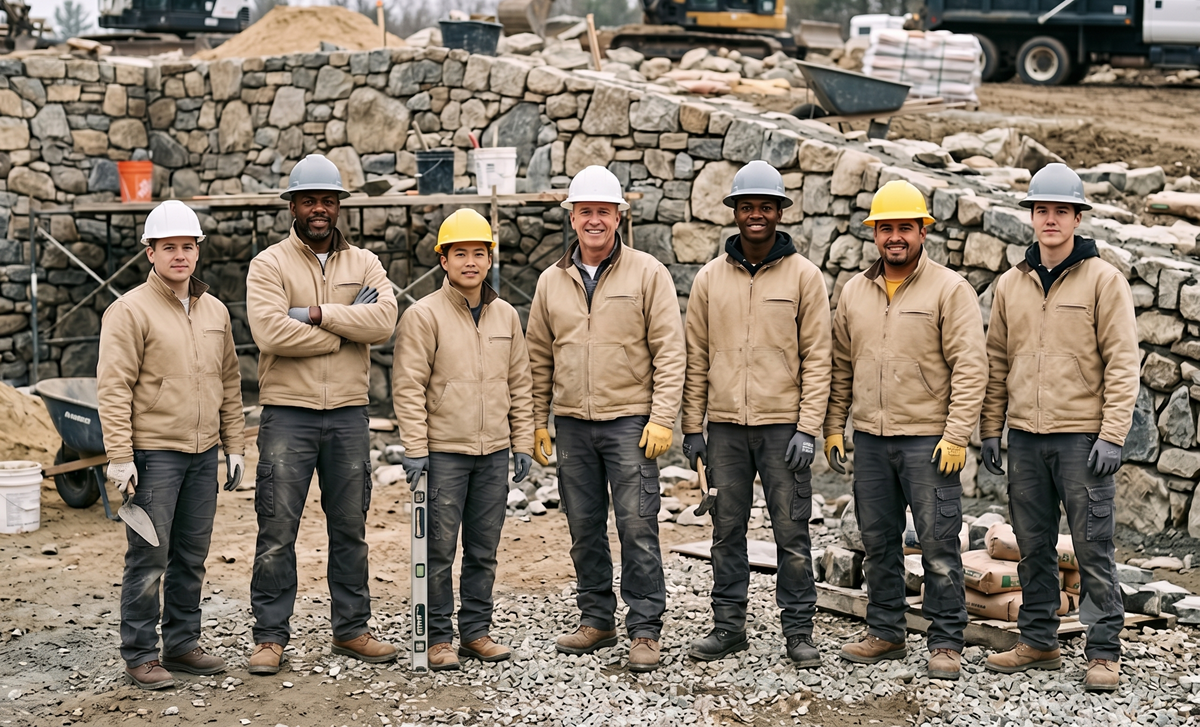
Experienced Concrete Specialists On Every Project
our services
Recent Retaining Wall Projects in Islip
As we explore recent retaining wall projects in Islip, it's clear that these installations have made a significant impact on local landscapes. Many homeowners opted for engineered wall systems, utilizing materials like natural stone and interlocking blocks that enhance both stability and aesthetics, including properly aligned tongue and groove systems designed for improved interlocking strength and alignment between wall units. These backyard retaining walls transformed sloped areas into functional outdoor living spaces, improving usability and property values through carefully staged construction and structured installation methods used by professional crews following a guided approach.
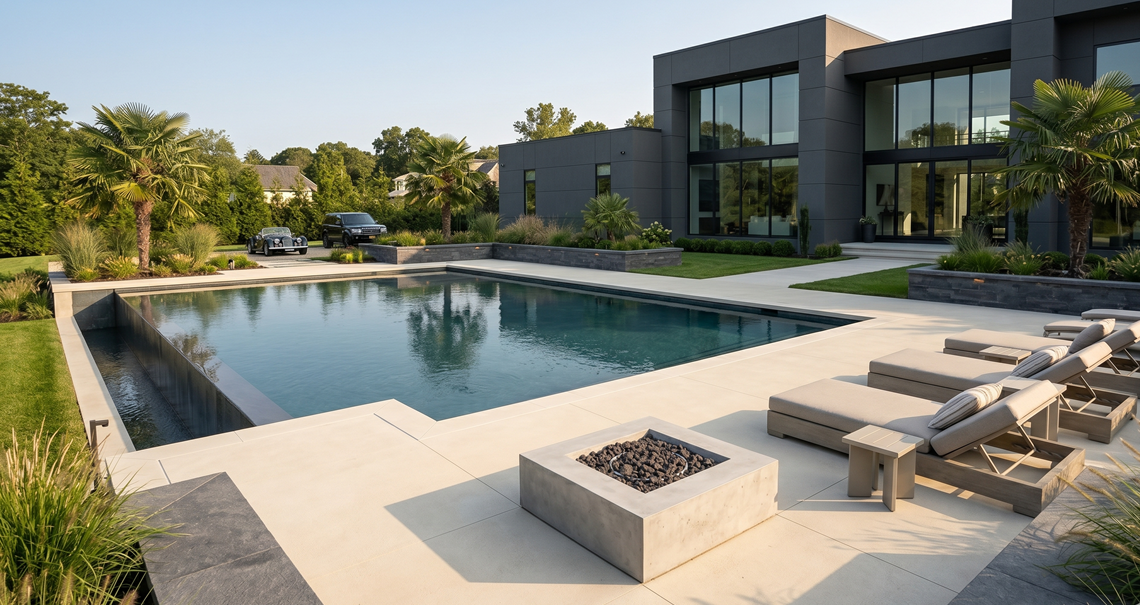
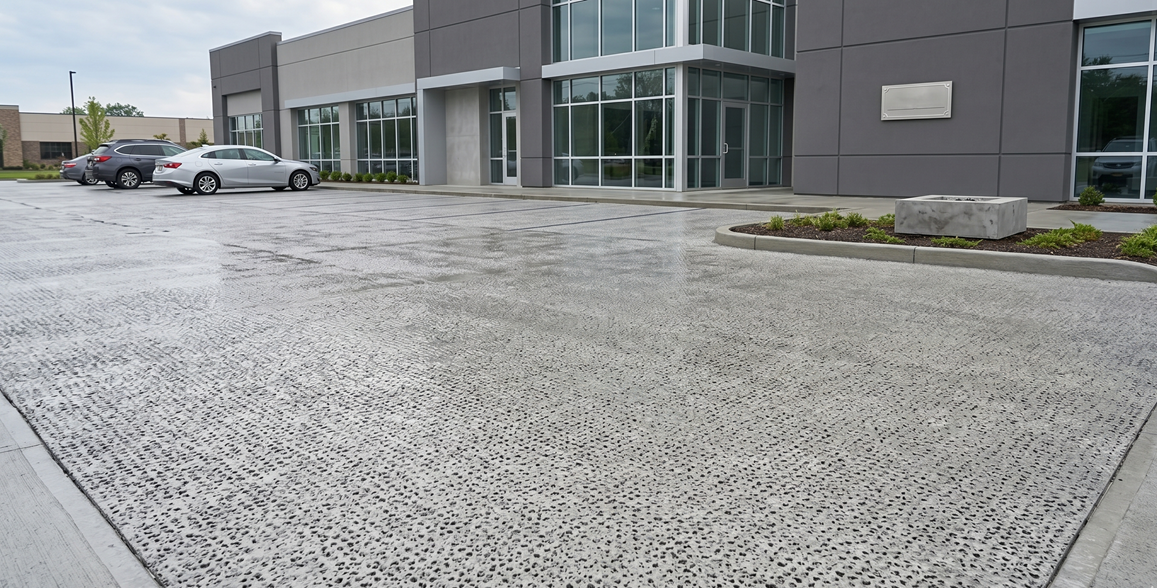
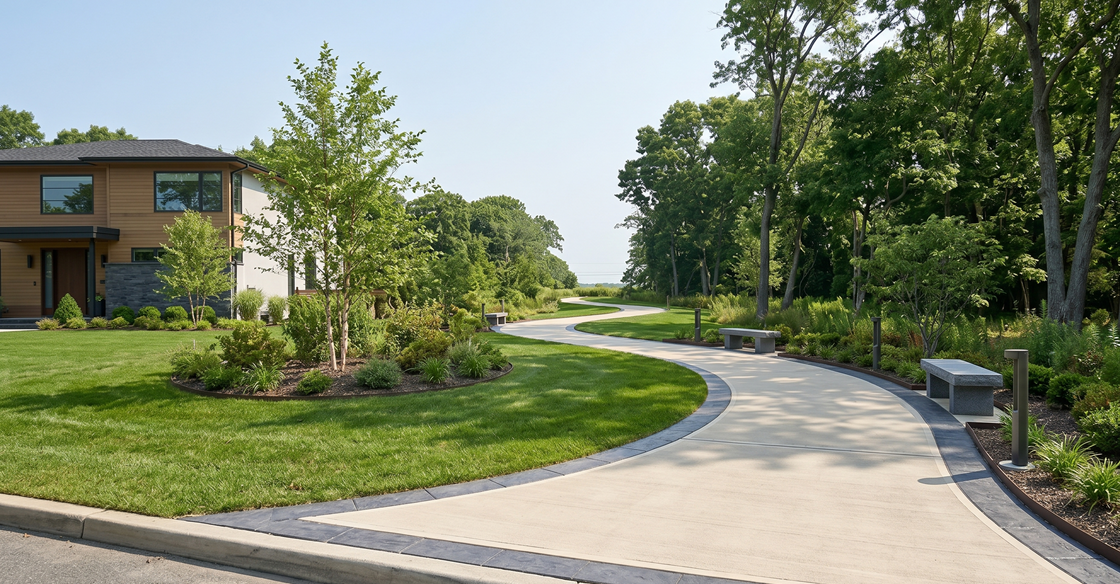
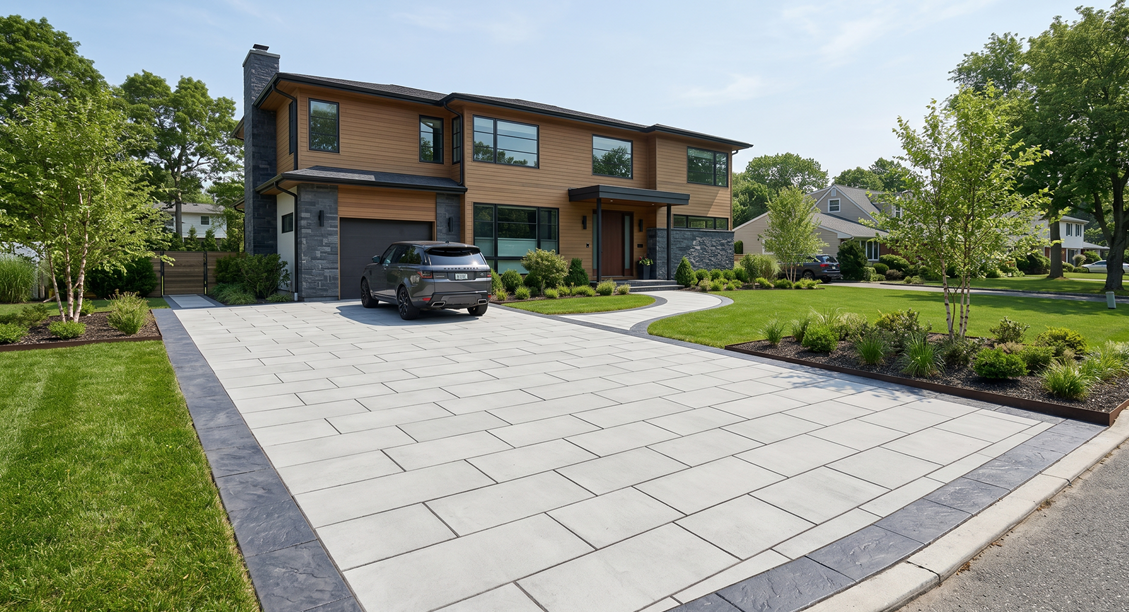
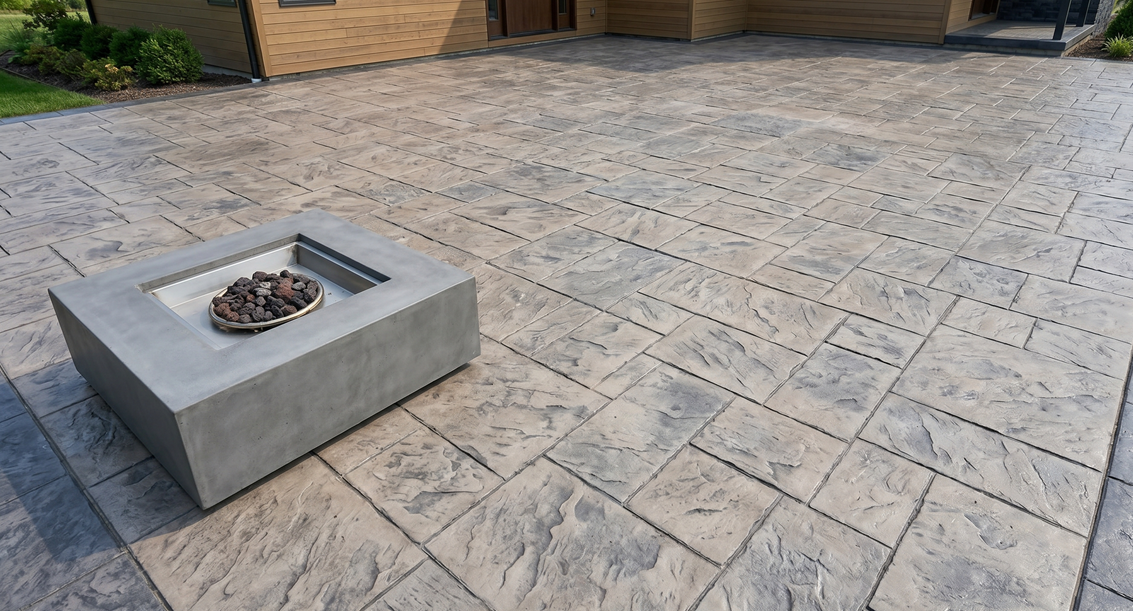
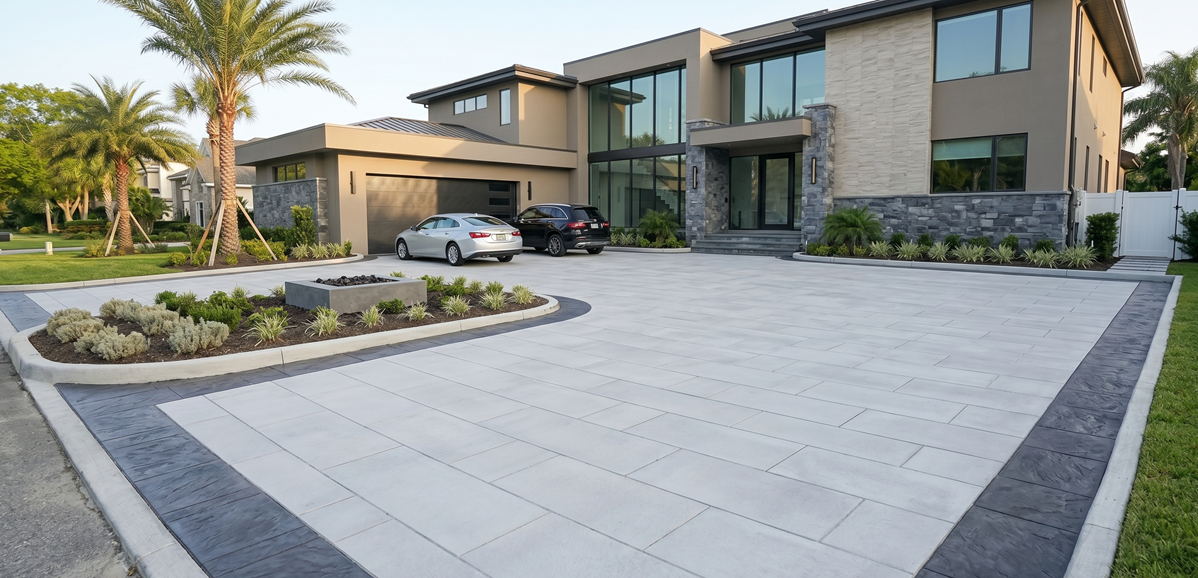
Each project reflects a commitment to quality craftsmanship and thoughtful design. Incorporating design elements like integrated seating areas and tiered layouts, including terraced walls that create leveled outdoor sections supported by compacted base layers and topsoil finishes, these projects exemplify landscape construction in Islip, NY, showcasing how soil retention systems can elevate outdoor living space upgrades in Islip.
What type of retaining wall works best for sloped yards?
For sloped yards in Islip, the most effective retaining system depends on soil conditions, height, and drainage needs. Gravity and block systems are commonly used for residential properties because they provide reliable stability and long-term performance. In many installations, contractors may build a retaining structure using stacked units that are carefully aligned and compacted for strength, especially where slope reinforcement is needed. For steeper slopes, reinforced or cantilever-style designs may be recommended by trained installation professionals, particularly when walls must support higher load conditions or extended elevation changes. Local technicians also evaluate freeze-thaw exposure and soil movement to ensure the wall is properly engineered for long-term support and safety, including proper base preparation and leveling with compacted aggregate layers.
How much does retaining wall installation cost?
Installation costs in Islip typically vary based on wall size, material selection, site access, and excavation requirements, including the need to excavate a trench to proper depth for stable foundation support. Residential projects may also require drainage preparation and permitting, which can influence overall scope. Materials like concrete blocks are generally more cost-efficient, while natural stone options involve more labor and customization. Construction steps such as properly placing the first course or base layer of blocks, compacting each layer, and ensuring accurate leveling with a tamper and string line system also affect labor time and cost. A professional site evaluation is important because soil conditions and slope severity can significantly affect the final design and construction approach, including whether reinforcement materials like geogrid are required.
Do retaining walls require drainage systems?
Yes, proper drainage is essential for wall performance, especially in areas like Islip where rainfall and seasonal moisture can affect soil stability. Without drainage, water pressure can build up behind the structure and lead to shifting or structural stress. Professional installers typically incorporate gravel backfill, weep holes, and drainage piping systems, including perforated drainage pipes wrapped in filter fabric or landscape fabric to prevent soil clogging, to redirect water safely. These methods help maintain long-term strength and reduce the risk of erosion or damage over time. Proper installation also ensures that water flows away from the back of the wall and through engineered drainage channels within the core structure, supporting long-term durability.
How long do concrete retaining walls last?
Concrete retaining walls in residential properties across Islip can last several decades when properly installed and maintained. Their lifespan often depends on soil conditions, drainage quality, and exposure to seasonal freeze-thaw cycles. Professional installation using reinforced materials and industry-standard construction practices helps improve long-term durability, including proper compaction of base layers using a tamper and careful stacking of each block or unit for load distribution. Routine inspections for cracks or drainage issues also support extended performance and help maintain structural integrity over time. In higher-load installations, additional reinforcement such as geogrid layers or engineered core support may be used to strengthen walls under pressure, especially where terrain is uneven or elevated.
Can retaining walls help prevent soil erosion in Islip?
Retaining walls are highly effective for controlling soil movement on sloped properties in Islip. They help stabilize the ground by holding back soil and managing water runoff during heavy rain, often supported by proper grading and compacted base preparation using tools like a rake for leveling and ensuring even distribution of topsoil and fill material behind the structure. When combined with proper grading and drainage systems, they reduce erosion risks and prevent landscape shifting. Construction techniques such as properly placing each next course of blocks and securing joints between units ensure long-term structural stability under varying loading conditions. Experienced installation teams design these systems to match local soil conditions, ensuring long-term stability and improved protection for residential outdoor areas, often incorporating terraced layouts where needed.